Real Estate and Commercial Lending in Melbourne: Trends & Tips

Real Estate and Commercial Lending in Melbourne: Trends & Tips
Melbourne is the 2nd largest city and a major economic engine that keeps attracting domestic & international investors across the commercial property sector. Melbourne, so far and for long, has been the most dynamic, influential and growing ecosystem for property in Australia. For this reason, commercial lending plays a very important role in enabling investment, acquisition and development. For developers and investors, access to commercial loans in Melbourne remains a critical factor in determining project feasibility, scale, and long-term returns.
Let’s explore more in this blog about the current state of Melbourne’s real estate landscape, key trends for commercial lending, and practical tips for borrowers to navigate easily in today’s lending system.
Current Landscape of Real Estate in Melbourne
A. Market Performance Indicators
Recent performance across commercial property sectors has been mixed:
- Office: The prime-grade assets which exist in well-located precincts have maintained their value while secondary office stock faces decreasing market demand.
- Industrial: The market experiences strong price increases because of two factors which are ongoing demand and restricted product availability.
- Retail: Performance varies widely because neighbourhood and essential retail segments achieve better results than discretionary-focused centres do.
- Multi-family / Build-to-rent: The rising presence of institutional investors leads to consistent property value assessments.
Key demand drivers include ongoing population growth, large-scale infrastructure investments, and Melbourne’s role as a logistics and business hub. The Docklands, Southbank, and the CBD fringe districts serve as primary locations for commercial development and investment.
B. Shifts in Commercial Property Demand
Structural changes are reshaping demand patterns:
- Logistics and warehousing services have experienced substantial growth because of e-commerce expansion and effective supply chain management.
- The demand for office space undergoes a post-pandemic adjustment because hybrid work arrangements create a need for flexible and premium office environments.
- Retail properties need to undergo property transformation and tenant selection improvements to maintain their operational viability through their ongoing transition period.
C. Investment Sentiment
Investment sentiment remains cautiously optimistic. Local capital dominates the market while Asian and North American offshore investment shows selective activity for core assets. Institutional investors demonstrate strong interest in acquiring long-term assets that provide stable income streams particularly within industrial and alternative investment markets.
Commercial Lending Trends in Melbourne

A. Interest Rate Environment
Australia’s interest rates stay higher compared to recent years. Borrowing costs for commercial property stays higher while rate stabilisation expectations are rising. This leads to more emphasis on conservative leverage, cash flow strength and interest coverage.
B. Lender Criteria & Risk Appetite
Lenders are adopting a more disciplined approach for credit frameworks including:
- Stricter serviceability and debt coverage assessments
- Greater focus on borrower balance sheet strength and experience
- Heightened scrutiny of sector-specific risks
- Conservative valuation assumptions and lower loan-to-value ratios
Multiple lenders have adopted more stringent credit assessment procedures because they require better evaluation of borrowers’ repayment abilities.
C. Alternative Lenders & Fintech Impact
Non-bank and alternative lenders continue to gain market share because they provide faster credit decisions and more flexible lending terms. These lenders often fill funding gaps where traditional banks are constrained especially when dealing with transitional assets and time-sensitive acquisitions.
D. Loan Structures and Innovation
Borrowers are increasingly utilising innovative funding solutions which include
- Mezzanine debt to enhance capital stacks
- Structured and hybrid financing arrangements
- ESG-linked lending products which use sustainability performance to determine pricing or terms
E. Regulatory Influences
The current lending conditions continue to be affected by prudential standards. The regulators determine allowable LVRs and capital requirements and compliance standards which results in commercial lenders using conservative lending methods.
Key Trends Shaping Lending Decisions
1. Sector-Specific Dynamics
- Industrial & Logistics
The market demonstrates strong rental growth together with low vacancy rates. Lenders prefer assets which have extended WALE periods and dependable tenants.
- Office
The business world now adopts more flexible workplace arrangements through dedicated office spaces and shared work environments. The evaluation process now uses improved methods to assess tenant composition, incentive programs, and potential vacancies.
- Retail
The evaluation process relies heavily on tenant trading performance to make credit decisions. Lenders show caution because they need to see complete repositioning plans before they will provide funding.
2. Sustainability and Green Credentials
Lenders now favor buildings which have received energy efficiency and environmental certification. Strong ESG credentials create positive effects on property valuations while attracting institutional tenants and resulting in better financing conditions.
3. Tech-Driven Underwriting
Data analytics and automated credit evaluation tools and real-time risk modelling make technology necessary for modern credit assessment. The system enables faster and more consistent lending decisions.
Practical Tips for Borrowers in Melbourne
1. Before You Apply
- Know your objective
- Owner occupier strategies vs clearly defined investment.
- Develop a good forecast for cash flow and robust business plans.
While residential buyers often work with a Home Loan Broker, commercial borrowers benefit from specialists experienced in complex property finance.
- Organise financials
- Maintain financial & tax records that are up-to-date.
- Provide evidence for financial sustainability and rent rolls.
2. Choose the Right Lender
The study of banking systems requires understanding the distinctions between major banks, regional banks, and alternative financial institutions. Specialist property lenders may be more suitable for complex or non-standard assets. Relationship banking provides financial institutions with two advantages because it increases operational efficiency and enhances their ability to achieve their long-term objectives.
3. Understand Loan Structures
Evaluate:
- Variable interest rates versus fixed rates.
- Interest-only periods.
- Amortisation profiles and loan covenants.
4. Prepare for Due Diligence
Be ready with:
- Independent valuation reports
- Building and Environmental compliance documentation.
- Tenant financials & Lease agreements.
5. Negotiate Terms Strategically
Pay attention to:
- Fees, break costs, and penalties
- Pre-payment flexibility and possibly obtaining a refinance
- Renewals and extensions within and outside the options offered
6. Leverage Professional Advice
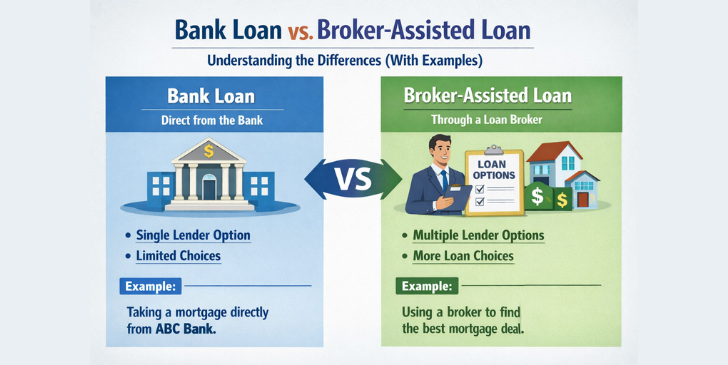
A qualified Mortgage Finance Broker can assess multiple lenders and structure commercial loans aligned with long-term investment goals. The team uses their expertise to create scenario plans and conduct stress tests and manage structured negotiations which results in better approval rates and better loan performance over time.
Working with a skilled Mortgage Broker in Melbourne, businesses trust can help navigate lender criteria and bargain competitive terms.
Conclusion
The commercial lending and real estate landscape of Melbourne keeps on evolving amid the regulatory oversight, changing property fundamentals and major economic shifts. With lending conditions evolving, securing the right commercial loans in Melbourne requires preparation, market insight, and alignment with lenders that understand local property dynamics.
Lending conditions are now more disciplined and the opportunities remain for well-prepared borrowers with strong financials, quality assets and clearly defined strategies.
By understanding the current trends of the market, staying aligned with right lenders and approaching financing in a strategic way, investors and property owners can easily navigate the lending environment of Melbourne, that too with confidence and resilience.
Partner with Melbourne’s trusted mortgage brokers ARG FINANCE for expert, tailored commercial lending solutions.
Latest Posts


Our Panel of Lenders